Hey guys, welcome to the Unshakable Man Podcast: A show and community for men who want to be their best emotional, mental, physical, and spiritual versions of themselves. This show is in the category of emotional awareness and we discuss the journey to men’s work.
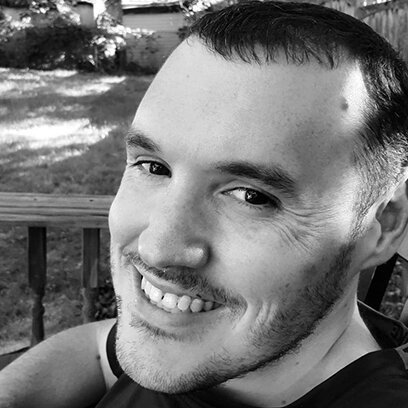
Our guest today is Matt Lantzy who shares his experience of the value of men’s work, how he is implementing what he is learning, and how it has inspired him to start his own group.
If you are listening as part of the Unshakable Man Group Coaching Program – you can ask questions in the Facebook group and reference the episode number.
Subscribe to our podcast on Spotify or Apple Podcasts.
Interested in joining our community of conscious men?
Click here to schedule a community welcome call
This might be for you if:
- You are thinking about joining or starting a men’s group.
- You want to learn more about the process of working through trauma.
- You are ready to take personal responsibility for your problems.
- You want to think differently about your circumstances and yourself.
We talk about:
- The difference between therapy and men’s work.
- Why we should view our problems as our curriculum.
- Dropping into your emotions and out of story.
- Acknowledging and confronting your fears.
- Taking responsibility for yourself.
- The “layers” of trauma.
- Overcoming obstacles versus surrendering.
- The relevance of language to men’s work.
- Starting a men’s group.
Key Points From This Episode:
- Chris and guest Matt check-in by noticing how they feel physically and emotionally. [0:03:02]
- How Matt’s men’s work story started when he realized how unhappy and unfulfilled he was. [0:06:26]
- Being in a clinical therapy setting versus connecting with your emotions in the presence of other men. [0:08:14]
- Realizing that our unhappiness is often the result of the things we ourselves do. [0:10:23]
- The importance of creating a container of non-judgmental safety and awareness. [0:11:02]
- Why we should view our problems not as something negative but as our curriculum. [0:12:49]
- An example of how Matt has overcome a problem by taking personal responsibility. [0:17:07]
- The value of slowing down to drop into your feelings rather than reacting based on story.[0:18:46]
- Matt talks about how his mechanism for avoiding disappointment numbed him to the joys of life. [0:21:33]
- The importance of acknowledging and confronting your own fears and insecurities. [0:25:58]
- Taking responsibility for and speaking only of your own experiences and feelings. [0:29:10]
- Working through the layers of trauma and figuring out your relationship to those experiences. [0:32:41]
- Matt talks about the experience of being ‘broken’ and having anger towards himself and others. [0:36:45]
- Overcoming the obstacles of reaching a goal and the fears around not achieving it. [0:39:18]
- The problem of having desires and goals and wanting to get to the next phase. [0:43:29]
- Chris explains why using ‘could’ is more helpful than ‘should’ and why these one-word shifts matter. [0:47:14]
- When Matt is starting his men’s group and his fears around leading and facilitating. [0:52:35]
- Chris and Matt reflect on and share their key takeaways from the conversation. [0:59:43]
Tweetables:
“Growing up, I had always built this silo around myself. It was basically a mechanism for me to avoid disappointment. I would always find a reason why I didn’t make the baseball team, or I would even pre-prepare myself for that and say, ‘I wouldn’t ace this test’. If I failed, I wouldn’t be disappointed.” — Matt Lantzy [0:21:33]
“One of the things that this men’s work has really taught me is that a good portion of what makes us unhappy, or what doesn’t seem to be going right in our lives is the result of things that we do. And being able to be in a space and not only somebody that understands it, but is willing to call you out to your face for you causing a very large portion of the problem is refreshing.” — Matt Lantzy [0:10:23]
“Anytime I say I have a problem with blank, by nature, my relationship with that thing is something of there’s a sensation of negativity, of a challenge, of a problem. I have a problem with this thing. If my relationship with that problem is problems are bad, well then, I might run away from it. What I’ve learned in this work is that my problems are my curriculum.” — Chris Wilson [0:13:21]
“That’s what we’re doing in this work is: I can’t change you. You can’t change me, but I can be a constructive force in your reality and you can be a constructive force in mine.” — Chris Wilson [0:26:41]
“There’s a hundred dead-ends you can go as you start this group. As long as you follow the rudimentary, basic core values of taking personal responsibility for yourself and showing up, you can always back down from those dead-ends and come at it again.” — Chris Wilson [0:55:17]